

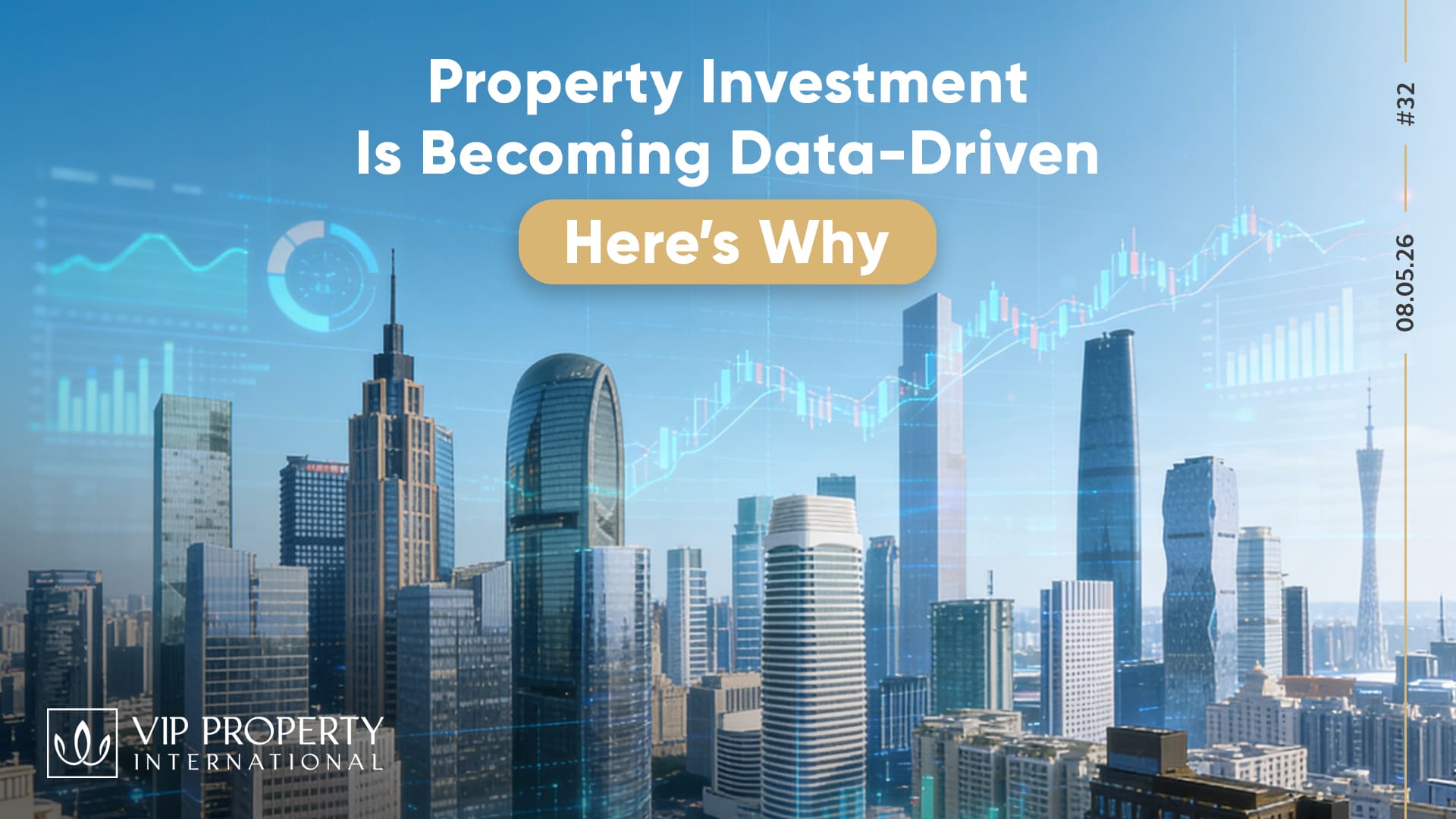
Global property investment has always been a headache. Too much information, too slow to evaluate, and trying to compare markets across borders, good luck.
Yes, property listings are easier to find now than ten years ago. But better access hasn't meant better decisions. Investors still deal with messy, scattered data. Legal frameworks? Inconsistent everywhere. And most market narratives? They're built to favor sellers, not buyers.
So what's changing? Artificial Intelligence.
Not by replacing human judgment, let's be clear about that. AI is reshaping how investors research, compare, and understand international property before they commit real money. And that matters most for cross-border deals, where local knowledge gaps can kill you financially or legally.
Why International Property Decisions Are Structurally Difficult?
Here's the thing about buying property abroad: finding options isn't the problem. Figuring out what information actually matters? That's the hard part. So is spotting which signals are just noise.
Take two cities. Similar average prices. Similar rental yields. Similar growth stories on paper. But the actual outcomes? Completely different. Why? Legal ownership structures, how easy it is to exit, tax treatment, exposure to macro shifts, all of that varies wildly.
Example time.
Two cities show identical rental yields in a report. Great. But dig deeper. One market runs on short-term demand and foreign buyers volatile. The other is propped up by long-term population growth and stable local incomes. Traditional tools won't surface that distinction clearly.
AI helps connect those layers instead of showing them in isolation.
How AI Changes Market Research in Real Estate?
Old-school property research means static reports and backward-looking averages. Useful for context, sure. But slow. And often outdated the moment you actually read them. AI systems work differently. They continuously process price moves, transaction volumes, migration data, interest rate changes, and economic indicators across markets. So you're not just seeing where prices were. You're seeing how markets are behaving compared to their own history and to similar regions.
For example, instead of a report telling you "prices rose 5% last year," AI can show you: is that growth accelerating, slowing down, or flattening? And how does that city perform when interest rates rise compared to other markets? That shifts research from descriptive reading to actual analysis.
From Generic Advice to Investor Specific Insights
Most property platforms show the same recommendations to everyone. That assumes all investors want the same thing. Which is rarely true. AI brings personalization into the research phase. The same market data can produce different conclusions depending on your budget, how long you plan to hold the property, your risk tolerance, and whether you care more about income or protecting your capital.
Here's a practical example. A city might look great for cash buyers. But once you factor in mortgage costs? Suddenly less attractive. Another market might be perfect for long-term investors but risky for short-term flippers because of low liquidity. AI doesn't give you one answer. It adjusts what it shows you based on your situation.
Legal and Process Risks: What AI Can (and Can't) Do
Legal and procedural complexity is one of the most underestimated risks in international property. Ownership structures, foreign buyer rules, tax treatment, residency implications, transaction processes- these vary not just by country but sometimes city to city.
AI can help by organizing and summarizing legal and process information early on. It can flag common restrictions, highlight structural differences (freehold vs. leasehold, for instance), and point out where you'll need a lawyer's eyes. But, and this is critical, AI does not replace legal professionals. Never use it as your sole source for legal decisions. Laws change. Interpretations vary. Your specific situation matters.
Think of AI this way: it helps you figure out where legal risk might exist and what questions you need to ask a real lawyer. It doesn't give final answers. That's what qualified, licensed local professionals are for. Used right, AI reduces blind spots. Used incorrectly, it creates false confidence.
Search That Works the Way You Think
Traditional property search relies on filters: price, location, and property type. Fine for local markets. But at a global scale? Pretty limiting. AI-powered search lets you describe intent instead of just punching in criteria. Queries like "low-risk European markets for long-term holding" or "cities that hold up during interest rate hikes" that's how investors actually think.
AI takes those questions and connects them to relevant markets, trends, and properties. Less manual grinding. More focus on real options, earlier.
What AI Actually Does Well (And What It Doesn't)
Let's be honest about this. AI improves clarity, not certainty. It cuts through noise, highlights patterns, and shows you trade-offs. But final decisions? Still on you. Where AI shines is in narrowing the field. Helping you understand why some options hide risks and others actually match your goals. Used correctly, it doesn't push faster decisions. It pushes better-informed ones.
The Bigger Picture
Global real estate markets are more connected than ever. Migration, central bank policies, regulation, geopolitics, all of it hits local markets at once. Static tools can't keep up. AI-driven platforms represent a shift: from listings to intelligence, from search to guidance. It doesn't eliminate risk. Nothing can do that. But it makes risk a lot more visible before you sign anything.
Disclaimer
This content is provided for informational purposes only and does not constitute financial, legal, or investment advice. Real estate investments involve risk, and market conditions may change. VIP Property is not responsible for investment decisions made based on this content. Investors should conduct their own research and consult qualified professionals before making any investment decisions.
Sources
-
World Bank Global Economic Prospects
-
OECD Housing Market Developments
-
IMF Global Financial Stability Report
-
Knight Frank Global Residential Cities Index
-
OECD International Migration Outlook



.jpg_1785480905.jpg)